Before the war
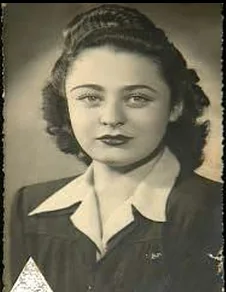
My grandmother Eva was born in Gherla, Romania, on October 24, 1921. She grew up as the middle child, with an older brother, Moshe, and a younger brother, David.
My grandmother remembered the family moving often as her father tried several businesses that did not succeed. One of those moves took them through Târgu Mureș. It was there, while she was still a child, that she first saw Emil, who would later become my grandfather.
The family eventually settled in Oradea. They were traditionally religious, and both of Eva’s brothers studied at yeshiva. Eva left school after third grade and worked as a seamstress to help support the household.
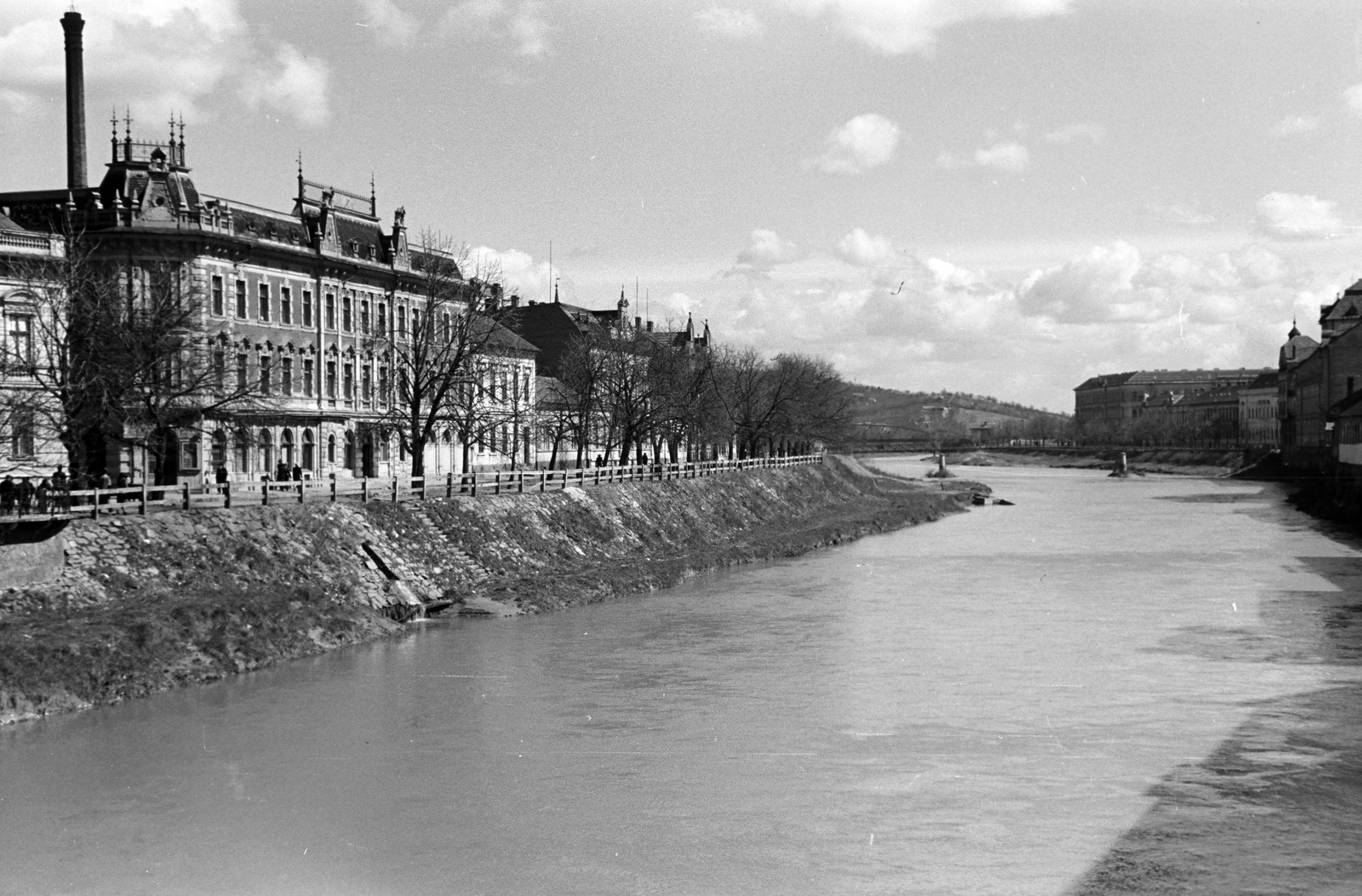
Fortepan / Nagy István; photograph by Nagy József. · CC BY-SA 3.0
Open full-size image →
Courting Eva
While doing mandatory civil service in Oradea, Emil joined Eva and her family for dinner. He continued to visit and court her, though my grandmother remembered that she was not particularly interested. She did remember that he was a good dancer.
Later, during the war, Emil proposed a civil wedding. He argued that she would be better off married than single. Eva was not convinced. This was before they were confined in the Oradea ghetto.
Ghetto in Oradea
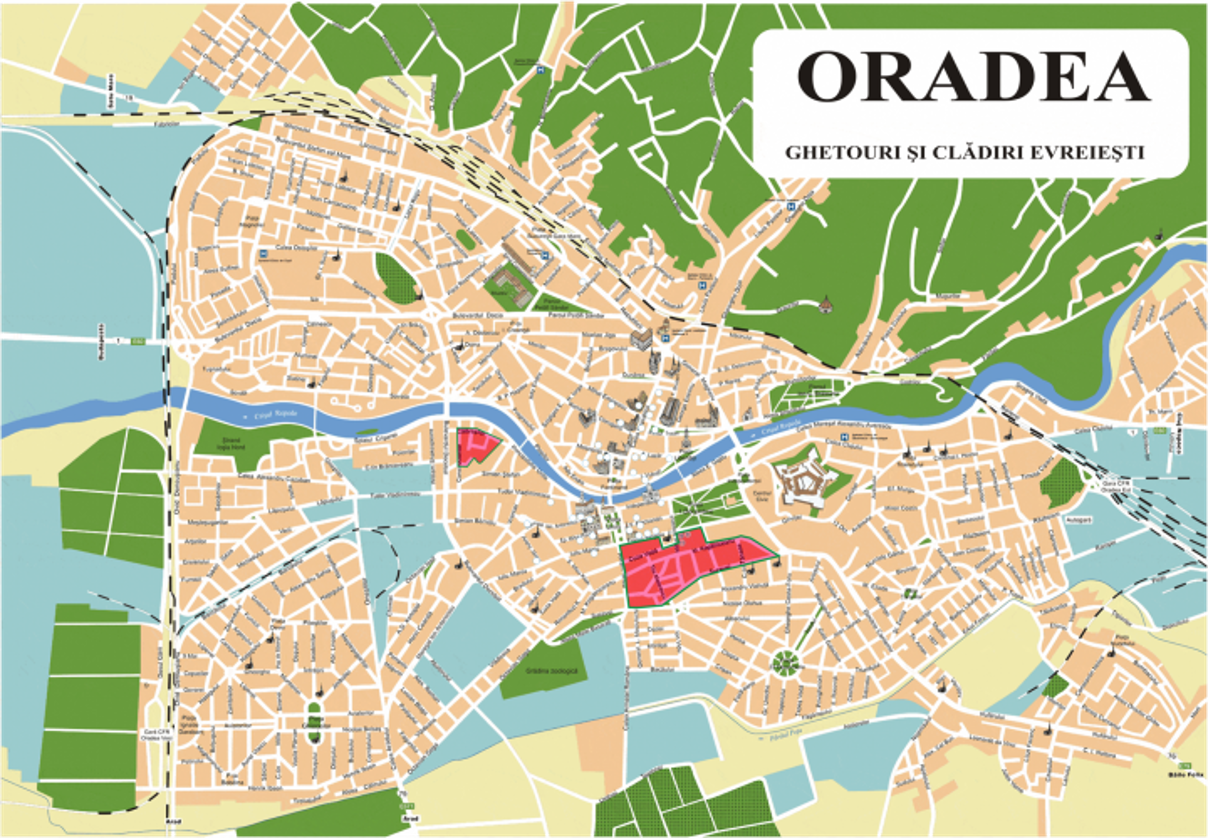
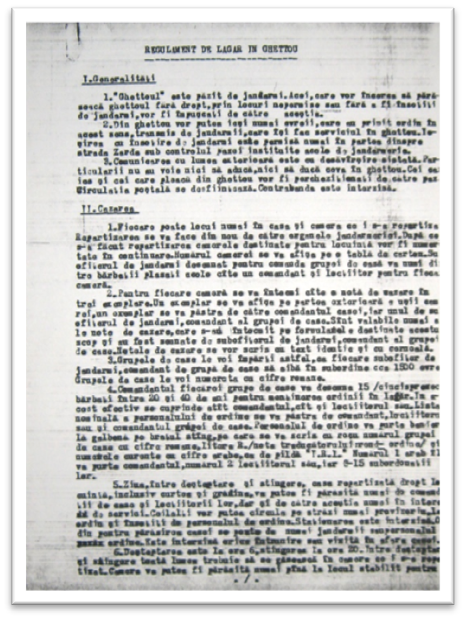
Emil was visiting Eva when the Oradea ghetto was formed on May 5, 1944, and they were confined there together. Eva eventually agreed to marry him. My grandparents were married in the ghetto on May 20.
On May 27, they were deported to Auschwitz with members of Eva’s family. They had been married for just a week.
Open full-size image →
Open full-size image →
Separation at Auschwitz
Eva arrived at Auschwitz after midnight on May 30, 1944. In the morning, the train-car doors opened and everyone rushed to get out. As she put on an extra layer of clothing, she lost sight of her mother.
My grandmother remembered saying goodbye to her father, her brother and Emil as the men and women were separated. With her mother no longer beside her, Eva ended up in the line selected for labor rather than the line leading to the gas chambers. She did not know then where those lines would lead.
When she looked back on that moment, she said she would have stayed with her mother if she had been given the choice. The separation was beyond her control, yet it became part of how she survived.
Forced labor and the death march
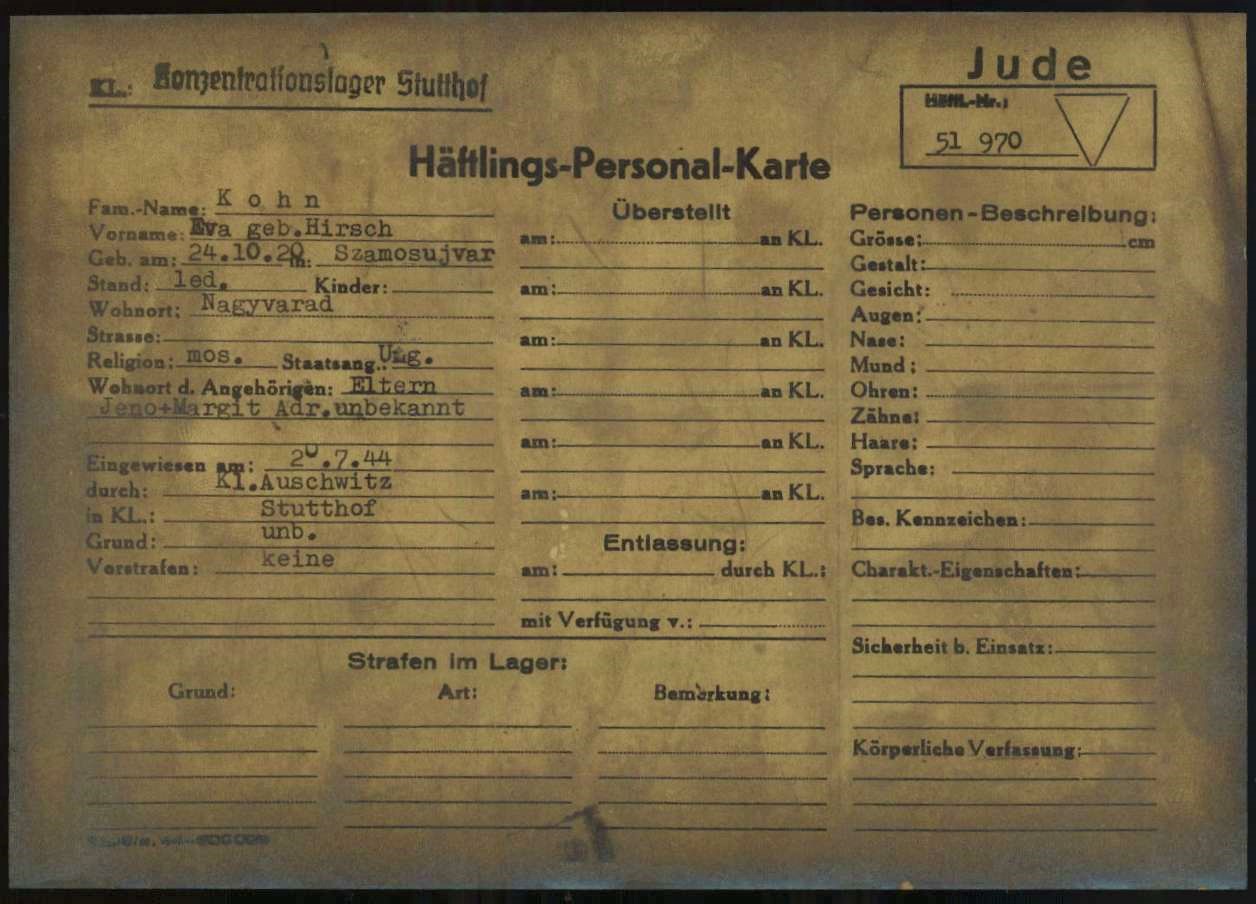
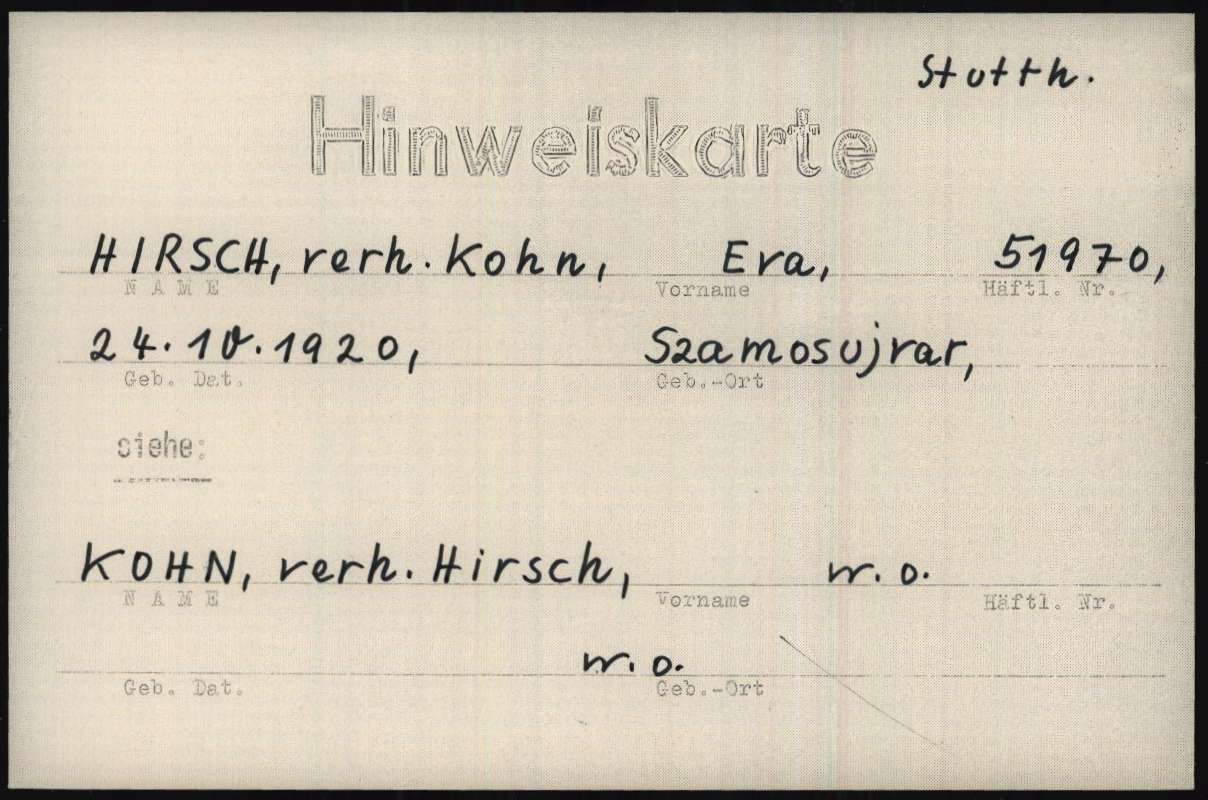
On July 20, 1944, Eva arrived at Stutthof from Auschwitz. Her surviving prisoner personnel card records the date and her prisoner number, 51970.
At Stutthof, my grandmother remembered being forced to move boulders and rocks to create an airstrip.
In January 1945, the evacuation of Stutthof and its subcamps began. Nearly 50,000 prisoners were held across that camp system when the final evacuation started. The United States Holocaust Memorial Museum estimates that more than 25,000 died during the evacuation, roughly half of those prisoners.
My grandmother survived imprisonment and forced labor. In early 1945, she endured a death march. In her account, she remembered March 11 as the day of her liberation. From there, she began the journey back to Oradea.
Open full-size image →
Open full-size image →

Open full-size image →
Returning to Oradea
After the Soviet Army liberated her, Eva received medical treatment and support before being sent by rail back to Oradea.
On VE Day, while changing trains at Auschwitz, she learned that the war was over. It was also then that she learned what the place the guards had earlier pointed to as her mother’s destination really was: the gas chambers and crematorium.
She arrived in Oradea on May 10, 1945, not knowing whether anyone in her family had survived. Ten days later, on May 20, she was reunited with Emil. It was their first wedding anniversary.
After the war
Their son David, my father, was born on May 20, 1946. My grandparents had survived the war and found each other again; now they were raising a family.
They remained in Romania for years, waiting for permission to leave. That permission finally came in December 1958. They later immigrated to Israel.

Open full-size image →
Meeting my daughter
In October 2007, my grandmother met my daughter for the first time. Holding her, she turned to me and said:
“This is it, this is proof that Hitler didn't win.”

Open full-size image →