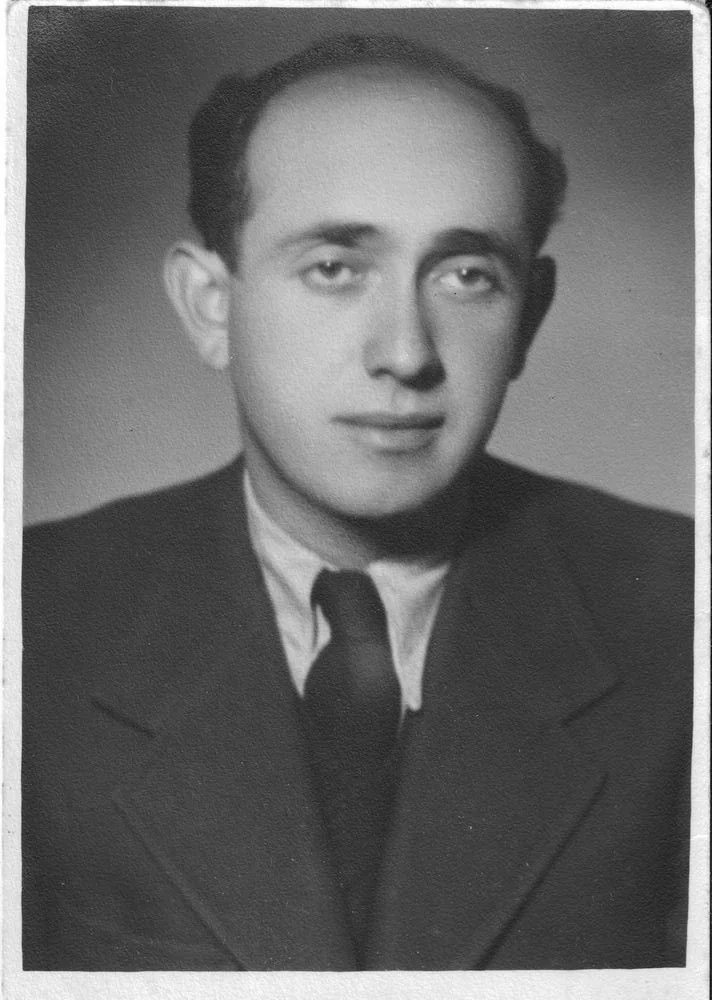
Before the war
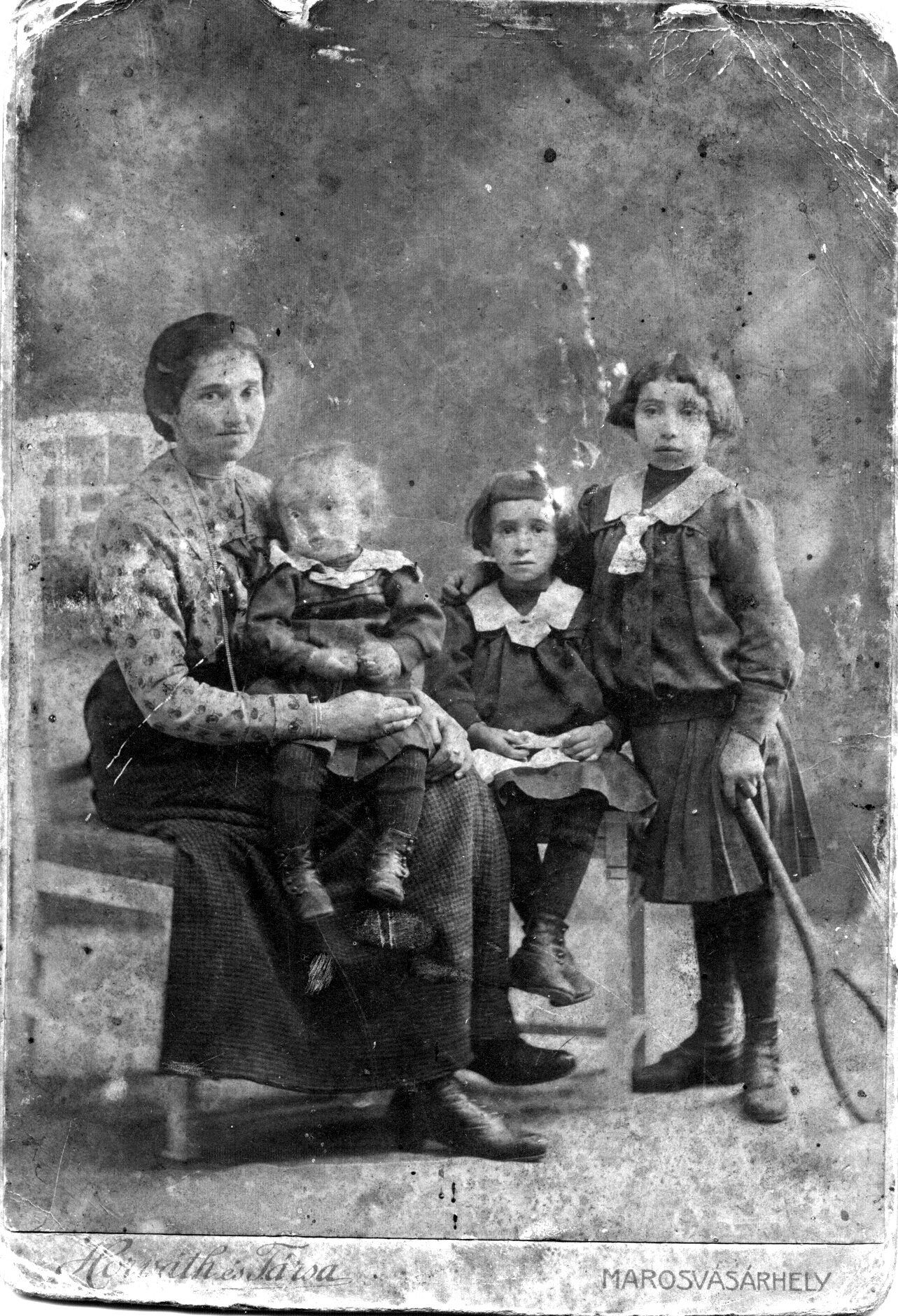
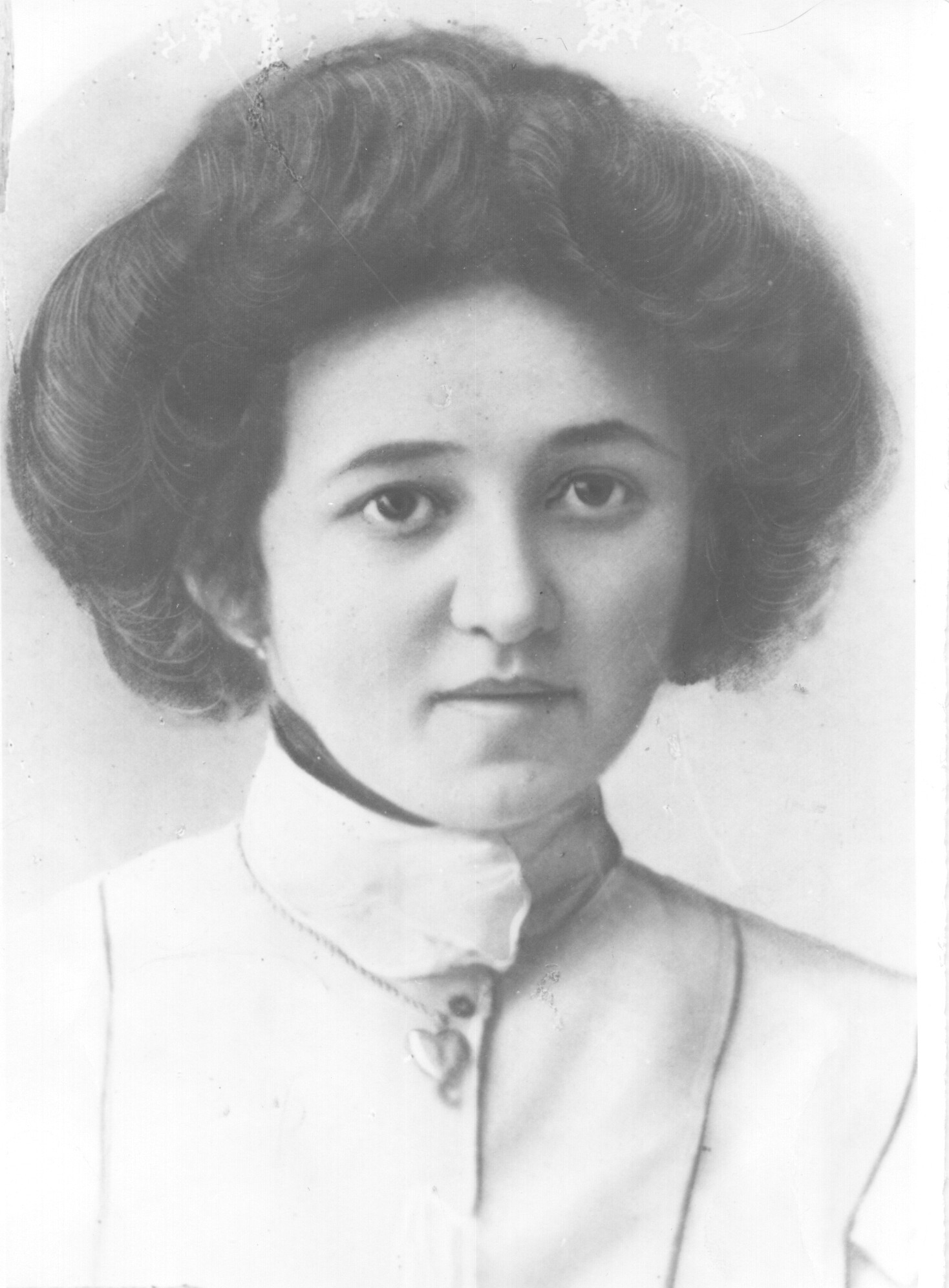
My grandfather Emil was born on November 25, 1913. He grew up on a small subsistence farm in Suplac, Romania, with his two older sisters, Regi and Judith. In our family, he was known as Bubi. His father was murdered by a co-worker well before the war.
Open full-size image →
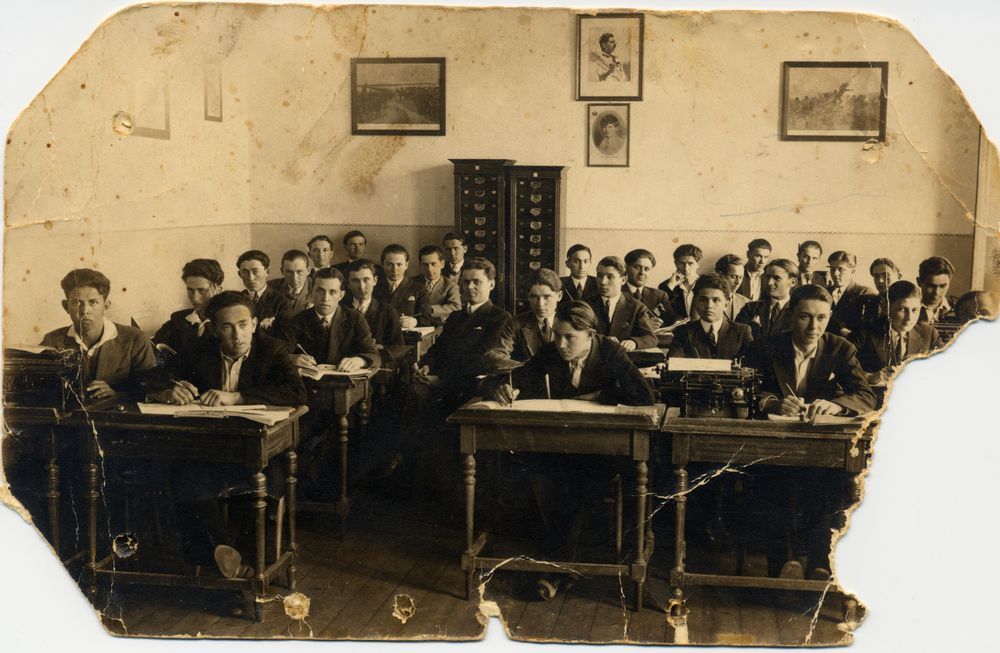
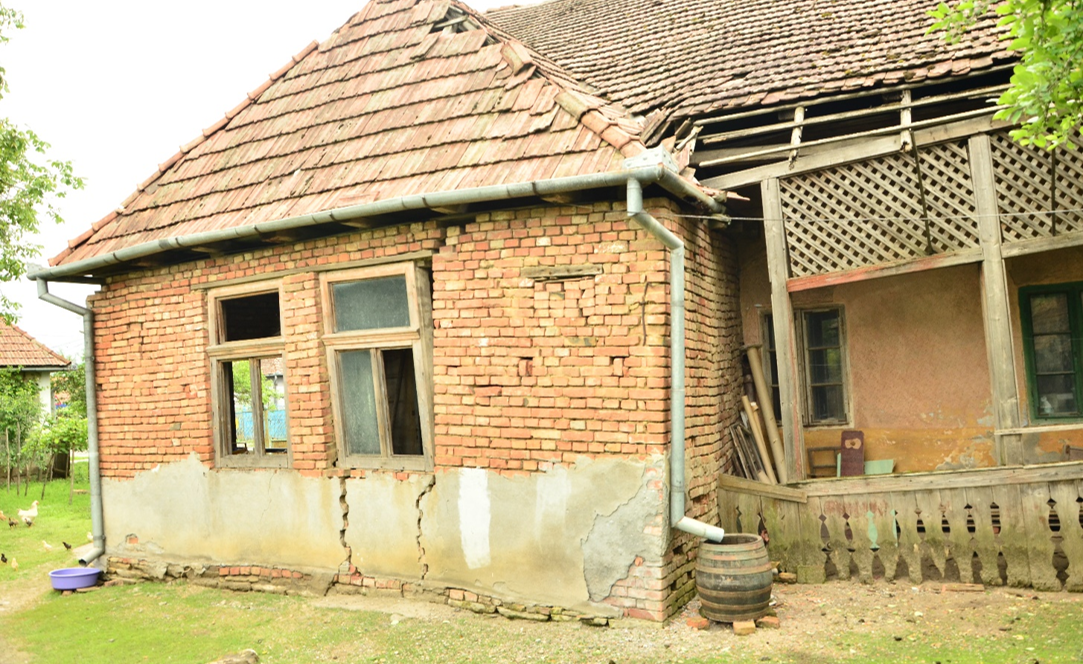
Life on the farm was difficult. The family supplemented their income with the town bar, which occupied the front room of their home. Emil, the youngest child, was sent to boarding school in Târgu Mureș.
The school photograph below shows him among his classmates. The portrait at the top of this page is also from Târgu Mureș.
Open full-size image →

Open full-size image →
Open full-size image →
Courting Eva
While doing mandatory civil service in Oradea, Emil reached out to my grandmother Eva and her family.
At first, she wanted little to do with him. That is how she remembered the beginning of their courtship in her testimony.
Emil worked as a wine salesman, supplying local bars, including the one in his family’s home. He continued to call on Eva when his buying trips for wine and liquor brought him to Oradea.
Open full-size image →
A wedding in the ghetto
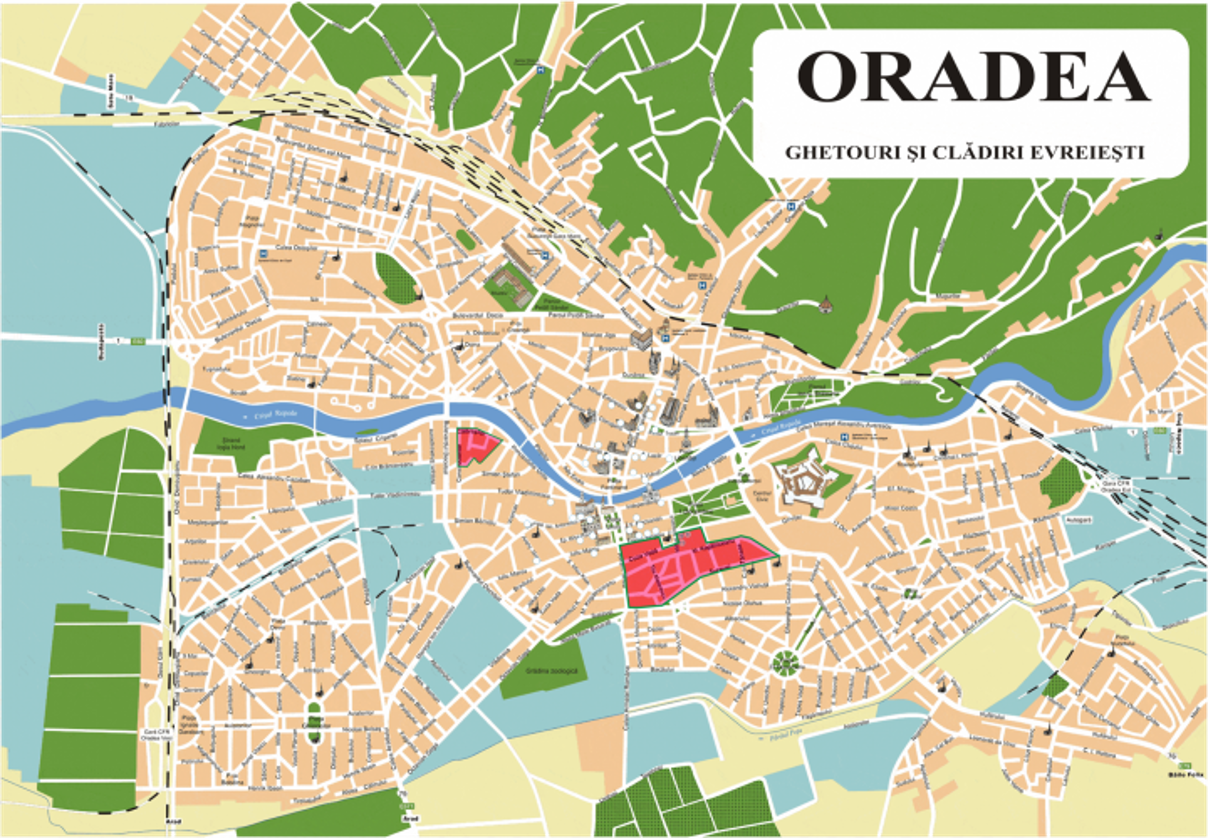
Emil was visiting Eva when the Oradea ghetto was formed on May 5, 1944, and they were confined there together. Eva finally agreed to marry him, and on May 20, 1944, my grandparents were married in the ghetto.
Just a week later, on May 27, they were deported to Auschwitz. When men and women were sent into separate lines, Emil and Eva were separated. Emil continued with Eva’s younger brother, David.
Open full-size image →
Imprisonment and forced labor
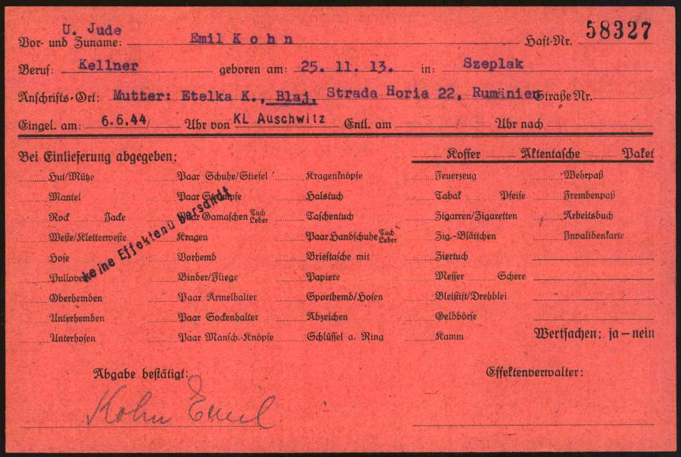
After Auschwitz, my grandfather was imprisoned in the Buchenwald camp system. A surviving personal-effects card records his admission on June 6, 1944, from Auschwitz. I am still piecing together the transfers that followed.
In the stories passed down through our family, Emil recalled producing synthetic oil under forced labor and fearing the Allied bombing raids.
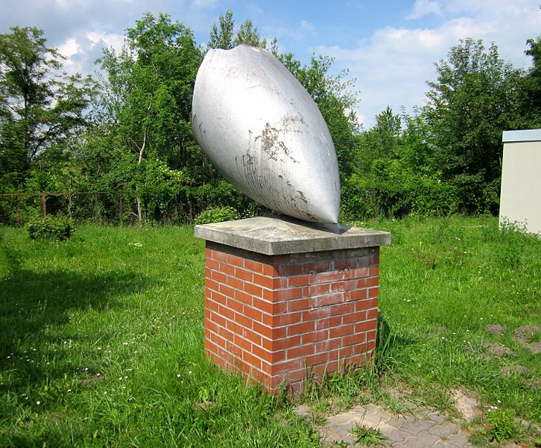
My research into US Army records points to Lützkendorf as the most likely refinery. Buchenwald prisoners were forced to work at the oil works there, but I have not yet found a record confirming that my grandfather was among them.
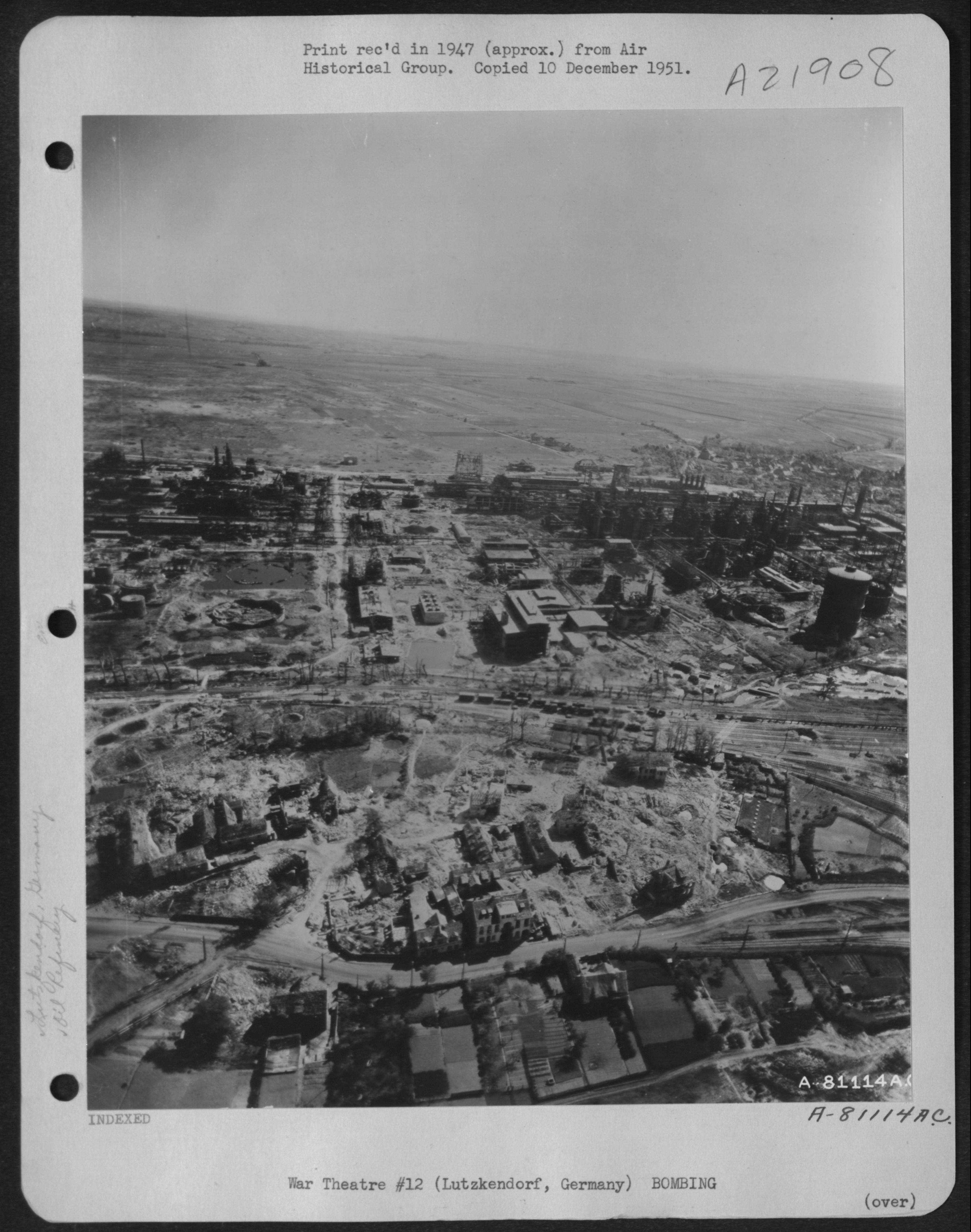
National Archives · NAID 204905987 · A81114AC
Open full-size image →
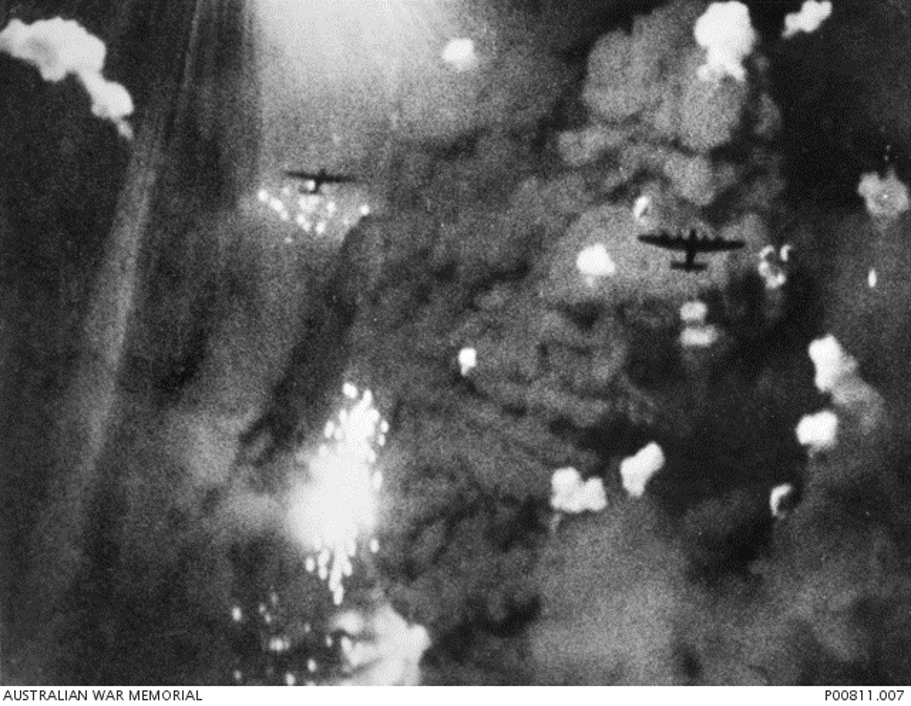
Australian War Memorial · P00811.007
Open full-size image →
Open full-size image →
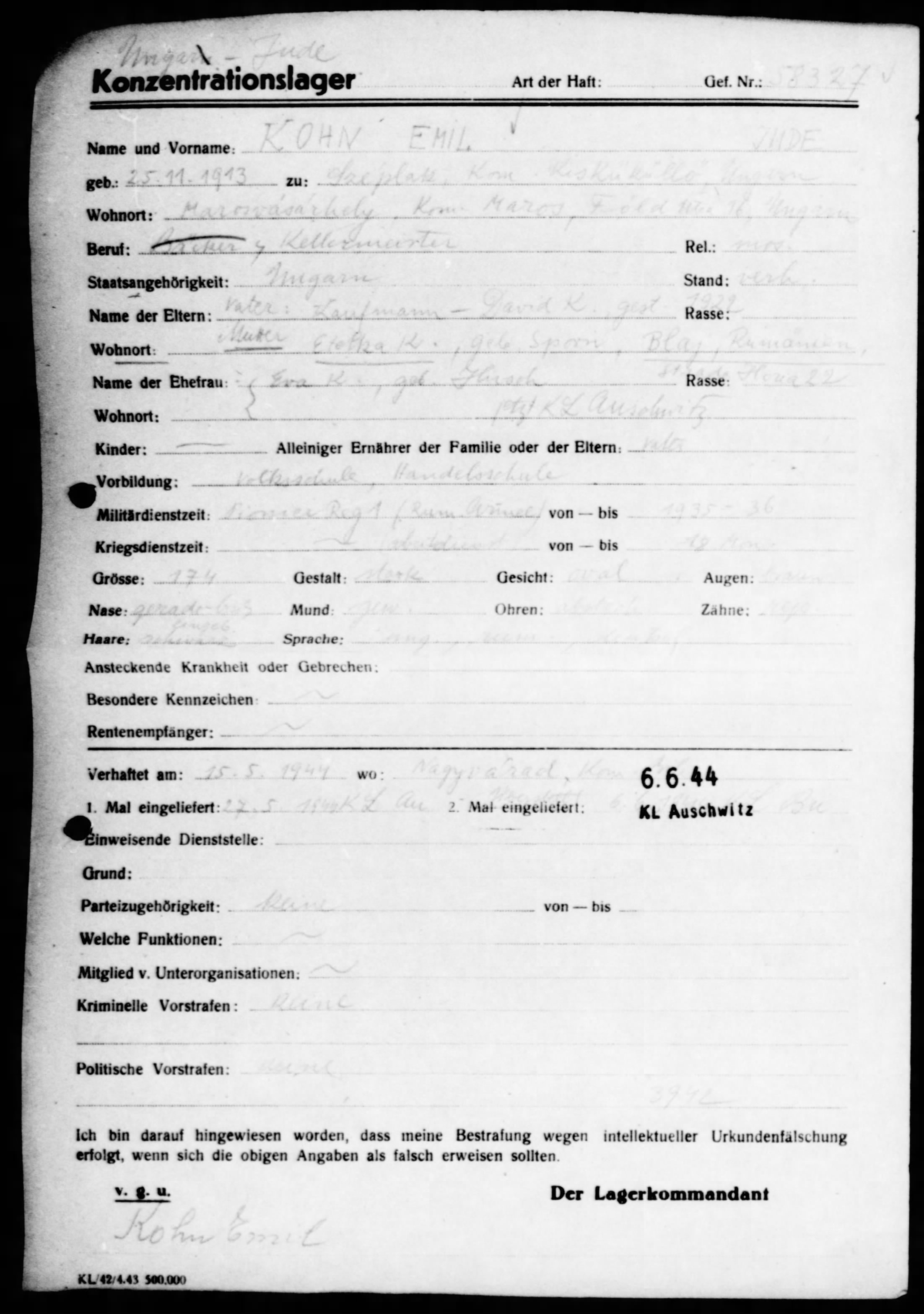
Emil was liberated at Buchenwald in April 1945. His surviving records give me a few points of connection to this part of his life. His prisoner registration form records both his name and Eva’s; the personal-effects card carries his prisoner number, 58327.
Read about this record →
Open full-size image →
Open full-size image →
The bicycle journey home
After liberation at Buchenwald in April 1945, Emil set out for Romania on a bicycle he had stolen from an American officer. He followed the Danube for much of the journey. In Vienna, the bicycle was stolen from him. He obtained another and continued toward home.
He reached Oradea and was reunited with Eva on May 20, 1945. It was their first wedding anniversary. That is the date our family remembers: one year after marrying in the ghetto, my grandparents were together again.
A family after the war
Their son David, my father, was born on May 20, 1946. My grandparents had survived the war and found each other again; now they were raising a family.

Open full-size image →
They waited years for permission to leave Romania. That permission finally came in December 1958.